
In 2025, I finished 26 video games. More than the 24 I finished in 2024 and yet it still feels too few. It honestly would’ve been slightly longer had I managed to finish some other major releases, but it goes to show just how many quality games are available nowadays, all fighting for our attention. Anyone who sincerely thinks there are no good games anymore is frankly a fool.
Anyway, I don’t want to waste too much time on the preamble. Like the 2024 list, I’m sharing a rundown of every game I cleared this year (in order of completion), with slightly more detailed breakdowns of my personal top 10. The one difference is that I will not be including any games I replayed; I want to highlight new favourites rather than old ones.
My Not Top 10 Games of 2025
- Mario & Luigi: Brothership – I’m thrilled to see the Mario & Luigi series make a comeback, but this back to basics approach might not have been the best way to do it. Turn-based combat is in fine form and character animation is superb, but there’s not much new here that past games hadn’t done and its story and new characters aren’t the most compelling. Bowser Jr.’s subplot nearly made me cry though.
- The Legend of Zelda: Echoes of Wisdom – It really feels like Nintendo misunderstood why people have wanted a playable Zelda. The echoes concept is admittedly fantastic for puzzle solving, but despite the numerous possibilities, it’s all too easy to just rely on the same ones over and over. Plus, this version of Hyrule is quite bland and uninteresting to explore, and Tri might be the most boring companion character in the series.
- Emio – The Smiling Man: Famicom Detective Club – A really disappointing follow-up to the Famicom Detective Club remakes. Despite this being entirely new, it rigidly retains its predecessor’s most dated elements and even though the core mystery is genuinely gripping, the actual mystery solving is grossly unsatisfying. I wrote a whole feature for startmenu about my frustrations with its storytelling. Such a shame since Emio is a great antagonist and deserved a better game.
- Afterlove EP – I keep forgetting I played this this year which is shocking when I really liked its vibes. Part visual novel, part rhythm game, this is a tactful and raw story about grief, how that changes you as a person, and how that impacts your relationships. It hits especially hard knowing creative director Mohammad Fahmi died during development. Massive props for not being afraid to make protagonist Rama quite unlikable at times. I plan on replaying this at some point to get a different ending.
- Like a Dragon: Pirate Yakuza in Hawaii – Even the most mediocre Yakuza game is still really solid and it’s hard to not enjoy a game all about Majima being a pirate. Fun combat and goofy antics aside, though, it’s not quite the ideal Majima solo adventure, especially since it’s not really about him. Also, this has the Minato Girls, which is without a doubt one of the worst things I’ve experienced in the series.
- Mario’s Picross – I found myself bit by the Picross bug this year and this game might mark the first time I’ve properly engaged with the Switch’s retro library. Not much to really say, it’s just Picross and helped wile away some lazy afternoons. Could’ve done much more with the Mario theming though.
- A Short Hike – As the name suggests, this is a very short game if you’re just trying to make it to the end. But regardless, its cute visuals and chill vibes make you want to spend as much time exploring its island setting as possible, especially as you further upgrade your flight. That final descent from the mountaintop was genuinely magical and I can see people just popping this game on to run around for a couple hours.
- Life is Strange: Double Exposure – Easily the worst Life is Strange game. I did like the new mechanic of hopping between alternate timelines for puzzle solving and it was nice to see Max again. But the core concept is inherently flawed and despite some decent story hooks, this is too much of a retread of the first game, especially come the end which completely evaporated what goodwill I had. Especially with that lame post-credits scene complete with “Max Caulfield will return”.
- No Sleep for Kaname Date – From AI: The Somnium Files – As someone who loves the first two Somnium Files games, this spin-off was incredibly disappointing. I’ve already written a review for Metro, but to summarise, I didn’t enjoy the puzzles, the story isn’t compelling, and all the characters have been stripped of any layers they had and turned into one-note shadows of themselves. As Date himself says, this was a whole lot of nothing.
- Is This Seat Taken? – A very charming puzzle game that makes the most of its simple premise. Something about making optimal seating arrangements is weirdly satisfying and some of those late game puzzles are genuinely tough.
- Type-NOISE: Shonen Shojo – I really wanted to like this one since it gives off Zero Escape vibes, but it sadly fumbles its intriguing premise. And though it’s sincere in its efforts to tackle the subject of mental health, it barely scratches the surface. The messy English localisation really doesn’t help, but I did quite like the ending and the final couple of plot twists. Again, I have a more detailed review on Metro.
- Project X Zone 2 (replay) – This incredibly shallow and repetitive strategy RPG is still an all-time fave of mine for its eclectic cast of crossover characters, simple but flashy combat, and copious amounts of fan-service. I still foolishly yearn for Bandai Namco, Capcom, and Sega to reunite for a sequel. I have an old review on the site if you want a more fleshed out explanation for why I love this game.
- Super Mario Galaxy (2025 remaster) (replay) – A childhood favourite, Super Mario Galaxy is still one of the best games I’ve ever played. I was worried the motion controls on Switch would be really awkward, but I managed to acclimatise to them almost immediately. Re-experiencing it all these years later has also cemented it as my favourite 3D Mario game over Super Mario Odyssey and not just because it gave us Rosalina. Since this is more or the less exactly the same game as the Wii original (barring the new storybook chapter and improved resolution), I’m treating this as a replay. This is also the main reason why games I replayed are excluded from the top 10 since this would’ve easily taken the number one spot.
- Phoenix Springs – Was personally recommended this point-and-click mystery game by startmenu and Deleted Saves editor KM. Sadly, I am not as enamoured with it as she is. While short enough to finish in a day, its intriguing premise gradually wore out its welcome as I found the game more interested in being symbolic than trying to tell a coherent story and its pacing felt near glacial as it went on. That said, talking about it with KM did give me an appreciation for the plot and its themes.
- Dispatch – Seeing people call this a Game of the Year contender makes me feel like I played a different game. While I love the premise and some of the cast as well as the actual management sim portion, the overall story and especially the dialogue is a mixed bag, and its initially harmless hacking puzzles only grow more annoying throughout. The majority of choices you make also barely change anything about how the plot progresses, with only the finale offering some genuinely neat consequences for your actions.
- Octopath Traveler 0 – This one just missed out of the top 10. Once again, I have an in-depth review on Metro, but while it is a solid RPG with a great battle system and a lot of freedom in how you build your party, it is exhaustingly long and lacks a strong enough story and characters to help carry it. Music is top tier, though, and does a lot of heavy lifting. I do hope Square Enix reworks more of its mobile games into traditional premium ones.
The Top 10
10. Murders on the Yangtze River
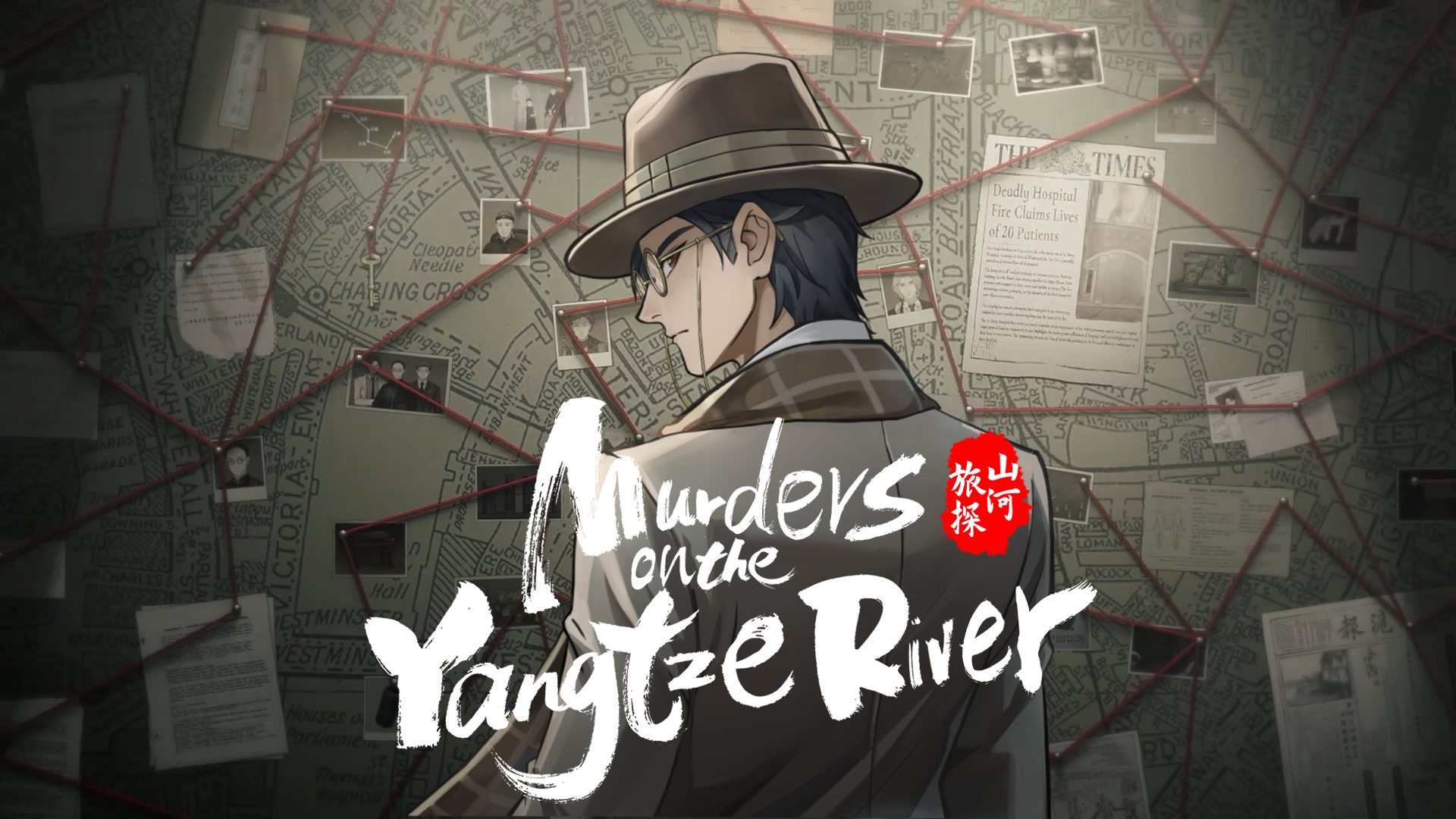
As someone who’s still starving for a new Ace Attorney, I am very appreciative for Murders on the Yangtze River. It does owe a lot to Capcom’s series (and is very honest about its inspirations) but it’s a very good imitation and clearly made by people that hold Ace Attorney in high regard. It’s not just the core gameplay either; Murders on the Yangtze River understands how to craft a good mystery and while it doesn’t quite reach the same highs as Ace Attorney, it kept me engaged and interested throughout.
It helps that Murders on the Yangzte River offers not only a unique setting in early 20th century China (making it somewhat educational for me as well), but a different story formula compared to Ace Attorney as protagonist Shen travels across the land solving various mysteries while trying to unravel the truth behind his brother’s death. Like any good mystery story, each chapter kept me guessing all the way to the end and it was immensely satisfying seeing all the pieces fall into place. I even gasped out loud a few times upon deducing something, which to me is the sign of a well crafted mystery that trusts the player to figure things out.
There were some instances where it felt unclear what evidence should be presented, but Ace Attorney can be guilty of that too and it was never so bad where I came away annoyed. And while Murders on the Yangtze River lacks the same goofy charm of Ace Attorney, I found myself growing attached to the main trio of brilliant but humble detective Shen, his trustworthy inventor assistant Afu (who really comes into his own by the end), and determined journalist Wen. I certainly want to be there day one when that promised DLC finally comes out. If you’re an Ace Attorney fan and going stir crazy over the lack of Ace Attorney 7, Murders on the Yangzte River will leave you more than satisfied.
9. Lost in Random: The Eternal Die

I already have a full review of Lost in Random: The Eternal Die over on startmenu so I’ll try not to repeat myself too much here, but I was initially disappointed that the Lost in Random sequel – something I never thought would even be made – ditched the original’s gameplay formula to jump on the roguelike bandwagon. But after giving it a fair shake, I came away with a greater appreciation and understanding of the genre and am now far more willing to give similar games a go.
Based on what little I know, it does seem like The Eternal Die borrows a lot from Hades, but there’s enough going for it to not feel like a complete copycat, such as the relic system that doubles as a matching puzzle game, where positioning relics on the grid can earn you further stat buffs. Plus, the simple to grasp combat and small enemy pool means it’s easy to get to grips with Aleksandra’s moveset and memorise attack patterns. Failed runs don’t just elicit resources for buffing Aleksandra and making her stronger; you’re learning how the game works and thus bettering your own skills. This probably sounds obvious to roguelike experts, but The Eternal Die is what helped me ‘get’ the formula and why it’s popular.
It does help that I was already enamoured with the world and theming established in the first game (especially all the punny names), with almost everything built around the concept of games and chance. Plus, it’s just neat playing as Lost in Random‘s villain and seeing her quest for revenge turn into one of redemption. But perhaps most importantly, every failed run made me want to jump back in immediately and try again. Even after I beat the game and got a true ending, I found myself taking on progressively harder challenges just to see if I could beat them. I don’t think I’m a roguelike truther and I’d sooner any Lost in Random 3 went back to the first game’s formula, but should another game I like get a roguelike sequel, I won’t be so dismissive.
8. and Roger
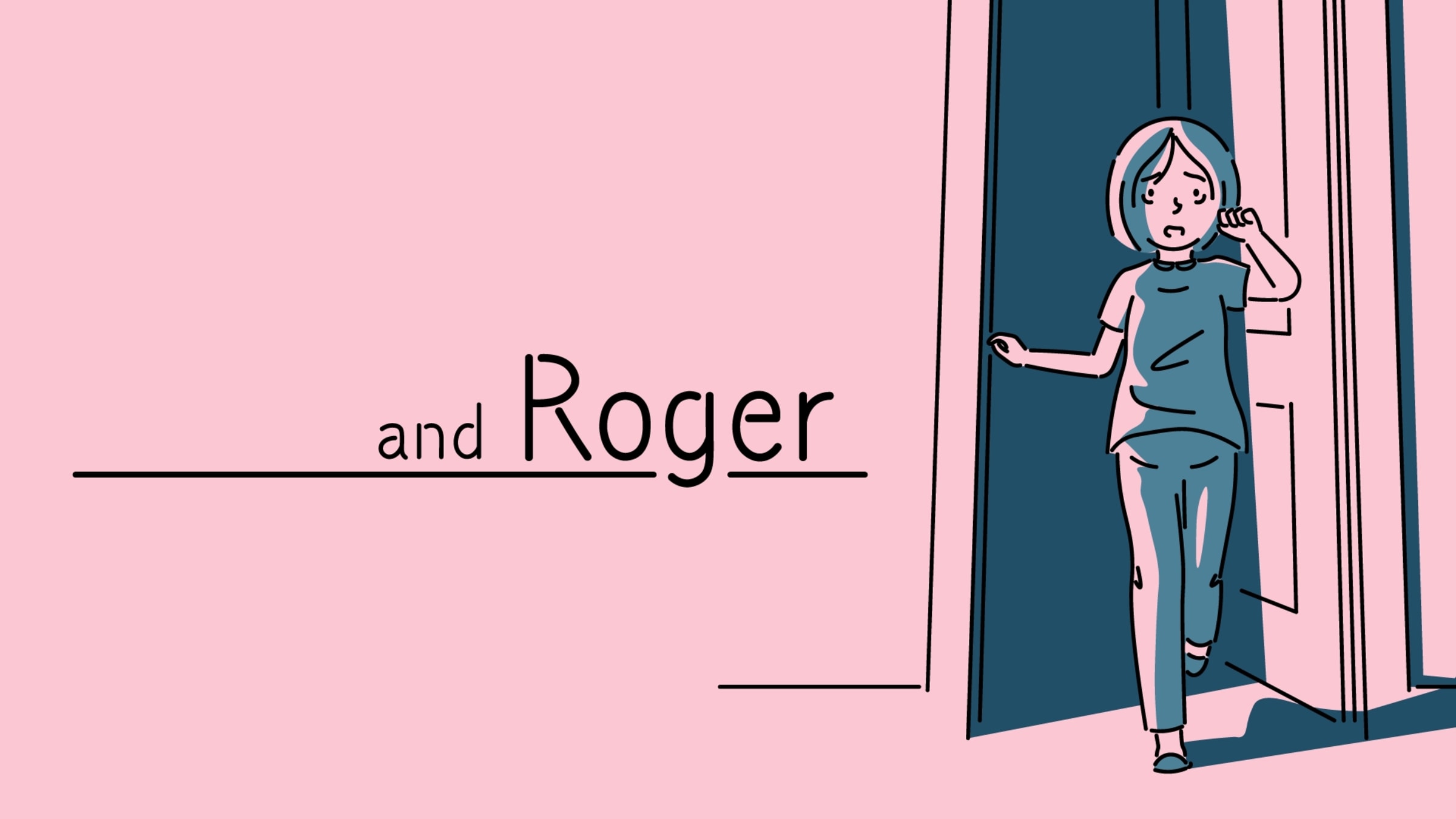
and Roger is one of those games that’s difficult to extol without completely spoiling it. All you should know is that it’s about a little girl named Sofia who wakes up to find her father missing and a stranger in her home. Through a series of point and click mini-games, you gradually uncover the truth behind Sofia’s situation and the identity of the stranger.
The initial hook is already gripping and incredibly unnerving. In fact, that sense of unease permeates throughout the majority of the game and though there’s no graphic or blatantly horrific imagery, and Roger does a fantastic job at making you uncomfortable with its use of dialogue, music, and visuals. Even some of the mini-games, for as simplistic as they are, manage to feel stressful, especially when you’re prompted to click on constantly shaking white buttons that keep moving about, representing Sofia’s fear and anxiety.
There are moments of calm and levity that help break up the pace, but and Roger is ultimately a tragedy with an extremely bittersweet message behind it. The story can feel incoherent with how suddenly events shift from one to the next, but this is very deliberate and pays off as the story gradually peels back its layers, revealing some expert-level foreshadowing and re-contextualisation of everything that came before. Between how short and cheap it is (it’s literally less than £5), there’s simply no reason to not play and Roger and wallow in its melancholy vibes.
7. Thank Goodness You’re Here!
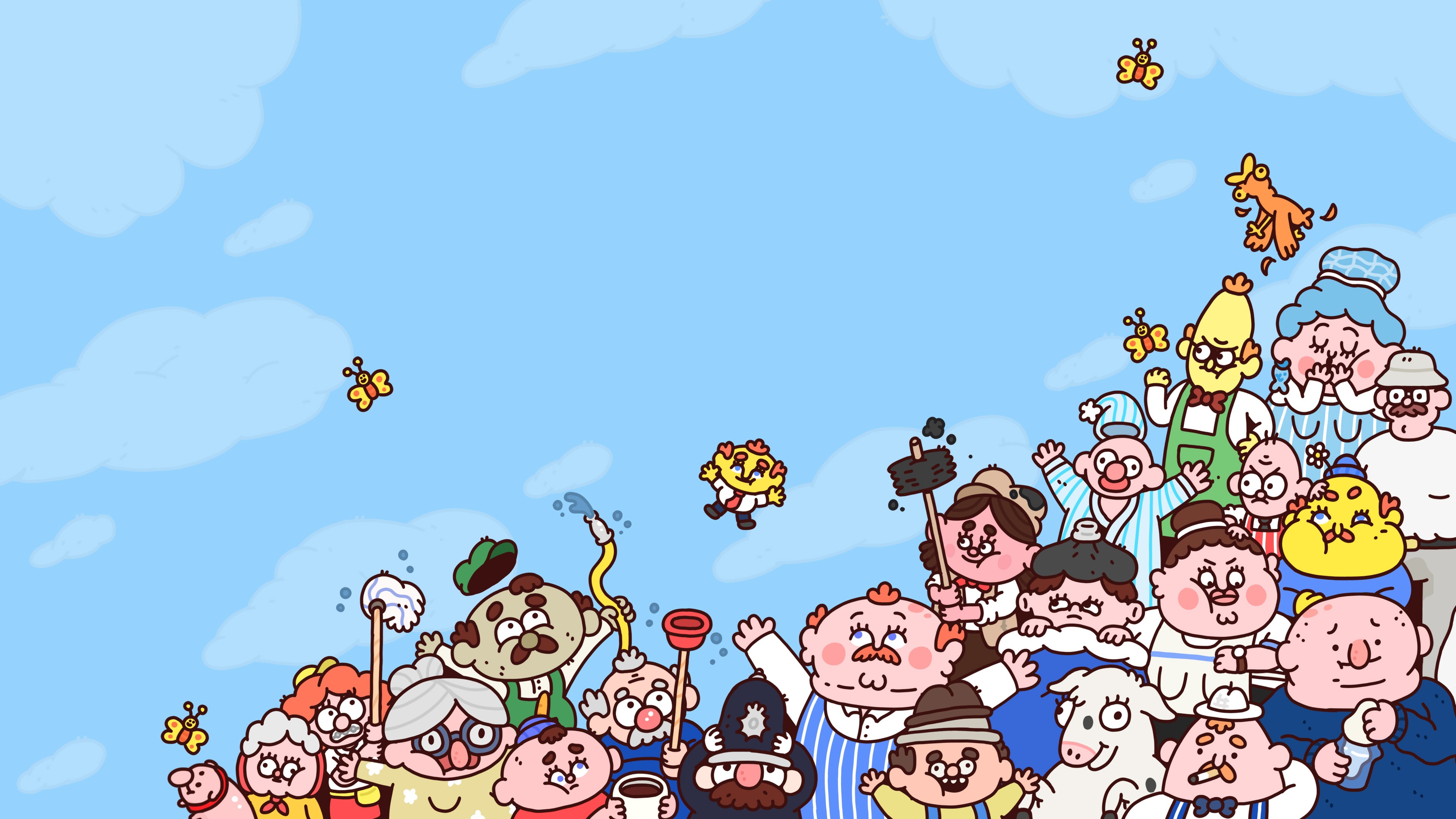
How’s this for some tonal whiplash? Like and Roger, Thank Goodness You’re Here! is incredibly simple to play but the big difference is the latter is strictly a comedy. It’s not just a game with funny moments; it’s a game all about being funny. All of its gameplay sequences exist to serve jokes as you stumble throughout the town of Barnsworth, helping the weirdo residents with their odd jobs along the way.
I can’t think of many games that are strictly comedies, but Thank Goodness You’re Here! is a very good example of one. This thing is consistently funny; I proper laughed out loud at some of the jokes, and there’s a broad spectrum of them, ranging from wordplay to just plain surreal imagery. I made a point of trying to interact with everything just so I wouldn’t miss any jokes.
What I especially love, though, is how quintessentially and unapologetically British it all is, which is made apparent as early as the main menu giving off classic sitcom vibes. The voice performances obviously contribute, but it’s not just a matter of filling the game with regional accents. It’s the language used and the visuals of the town itself that, for as weird as things can get, make Barnsworth and its residents feel genuine.
6. American Arcadia

There have been plenty of stories that follow the set-up of The Truman Show, where a character learns their life has been nothing more than a reality show, but American Arcadia takes things to an even greater extreme: what if there was an entire city full of people whose lives were a reality show and what if your life was so boring that no one’s watching and the powers that be decide to eliminate you?
That’s the case for poor Trevor Hills, a perfectly ordinary man forced to go on the run when a woman named Angela reveals the truth of his life to him. The whole thing is like a playable thriller movie as Trevor must escape his pursuers and find a way to leave the domed city he’s trapped in. Despite it being a 2.5D puzzle platformer and a very simple one at that (with occasional first-person segments), it honestly feels more ‘cinematic’ than some big budget games.
What carries it, though, is the voice acting and writing, especially the growing friendship between Trevor and Angela, with the former undergoing a great character arc, growing from a cowardly runaway to an angry rebel seeking to reclaim his life. The commentary on reality TV, the lengths corporations will go to provide entertainment to the masses, and the public’s complicity in the suffering of innocents is unsubtle but masterfully handled and culminates in what may be one of my favourite finales in any video game.
5. Sonic Racing: CrossWorlds

When Sega announced it would be doing a new Sonic the Hedgehog racing game in-house without Sumo Digital, I was quite trepidatious about it, especially since Sonic Team hasn’t the best track record with the racing genre. Thankfully, Sonic Racing: CrossWorlds (which I reviewed for Metro) made a strong first impression with its network tests and while I probably still consider Sonic & All-Stars Racing Transformed the better game, CrossWorlds is a fantastic successor and certainly an improvement over the lacklustre Team Sonic Racing.
It took a while to get used to the handling (even now I don’t think the boat and plane sections are as smooth as Transformed‘s), but it’s oh so satisfying building up speed and chaining drifts to boost round corners. And while I maintain this game’s no less luck based than Mario Kart at times (anyone who says otherwise is fooling themselves), there’s a decent spread of items available to help you maintain your position or snatch victory even if you’re trailing behind.
The CrossWorld gimmick is also great in keeping races interesting and while even I would’ve preferred the game be more Sega themed in general and not just Sonic focused, the roster is a solid selection of characters and all the banter they throw at one another is fantastic. Besides, we’re getting more Sega characters through the DLC anyway. I have my quibbles with CrossWorlds (the lack of any meaty single-player content beyond the Grand Prix and time trial modes for one), but as far as Mario Kart rivals go, this is easily one of the best ones.
4. Mario Kart World
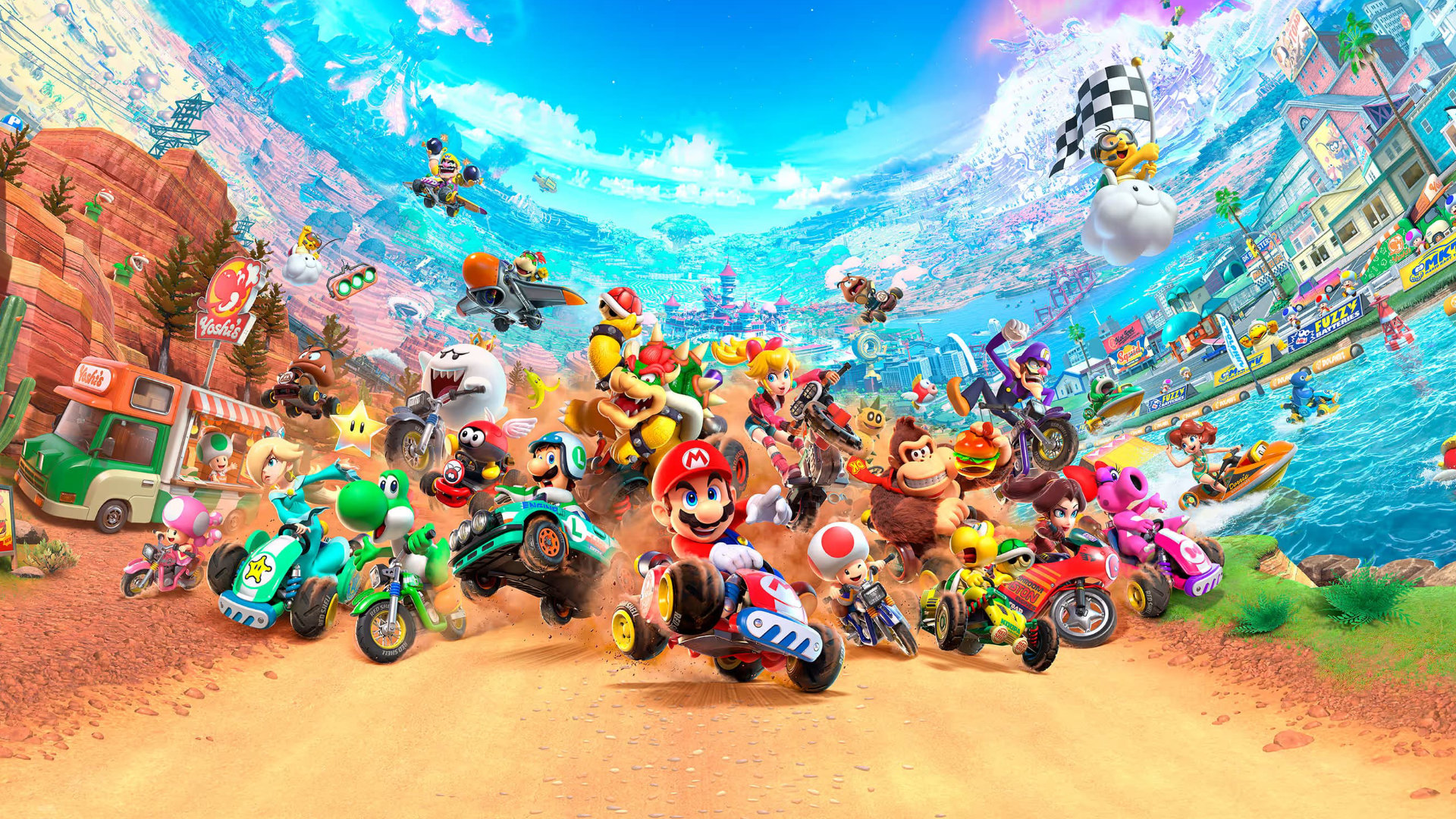
I was originally going to be a big coward and have Mario Kart World and Sonic Racing: CrossWorlds share a spot on this list. But if I had to pick one as the ‘better’ game, though, I think I’d still have to give it to Mario Kart World, which is weird considering CrossWorlds is the one I keep going back to thanks to its online festivals and broader range of challenges that properly reward you upon completion. Mario Kart World is weirdly unprogressive in places, with it only adding one new racing mode – Knockout Rally – and all you get from the open world challenges are glorified stickers. So, how come this has ranked higher than CrossWorlds?
Firstly, I think it’s just better to control and thus more approachable to anyone of any skill level. CrossWorlds is very much for racing game fanatics, but Mario Kart has always managed to please casual and competitive players in equal measure. Any time I want to play a racer with friends, I’m booting up Mario Kart World. Secondly, World has superior track design, with each track feeling unique beyond the visual aesthetics. It helps that there are a bunch of variants thanks to those linear intermission tracks that some find boring but I quite enjoy if only the ever changing environments.
And lastly, for as sparse as it feels when just driving around it, the open world is impeccably designed. I love how every track in the game is cohesively joined and I know I complained about how empty it can feel, but there’s still some joy to be found simply exploring and seeing how everything is connected, with the challenges letting you reach areas that in past games would be out of bounds and inaccessible. It’s quintessential Mario Kart at the end of the day and depending on how Nintendo handles post-launch support, this has the potential to surpass Mario Kart 8 Deluxe.
3. Slay the Princess
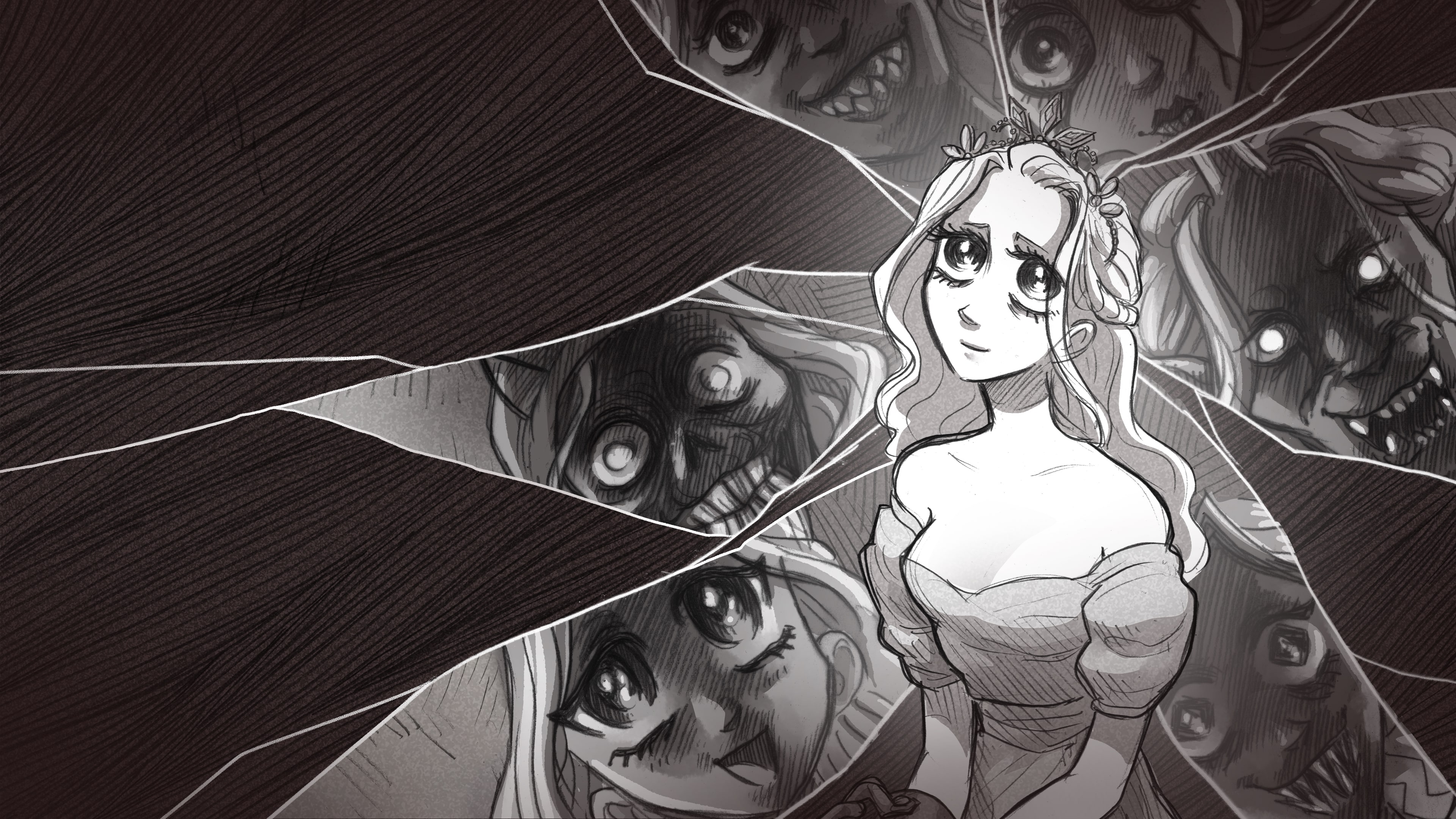
You ever see a game that you just know you’re going to vibe with based on the synopsis alone? Slay the Princess is one such game for me and yet somehow I found myself loving it even more than expected. You are a hero sent to a cabin in the woods to slay a princess. If you don’t, the world will end. It’s a killer hook and the intrigue only ramps up throughout your various interactions with the titular princess and the voices in your head. While very simply designed, the many ways you can progress the narrative and reach the end is nothing short of impressive, especially with how much unique dialogue is featured.
I’m typically not one for horror, but Slay the Princess is my kind of scary, with its art and music perfectly going hand in hand to create a constantly chilling atmosphere. It’s also just gory enough at times to make me recoil in shock but not enough to repulse me into turning the game off. The often genuinely funny dialogue also helps break things up and add some levity in between the moments of “Oh god what is happening right now?”
The absolute highlight, though, is the princess herself. It is genuinely criminal that Nichole Goodnight wasn’t even nominated for any voice acting awards for her performance, expertly portraying the various aspects of the character. Enamouring, terrifying, tragic; I have every intention of 100%ing this game so I can see all she is capable of being because she’s that intriguing of a character. Frustratingly, like and Roger, it’s impossible to really break down Slay the Princess‘ most excellent moments without spoiling it so all I’ll add is that despite appearances, there’s a love story buried beneath the existential darkness and it’s a strangely beautiful one that I’m gonna be obsessed with for a while.
2. The Hundred Line: Last Defense Academy
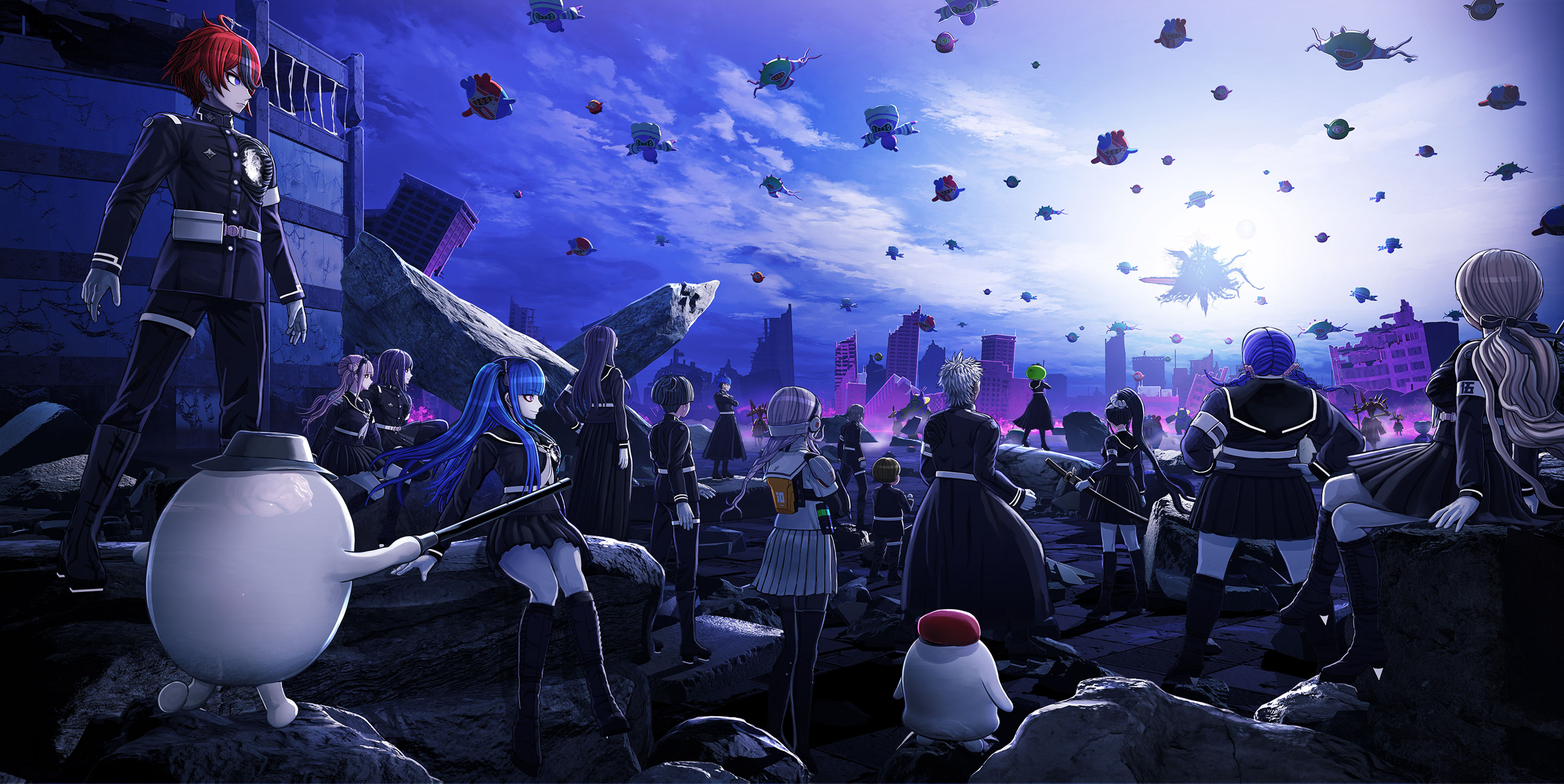
I have already written about this game twice. The first being a brief review included with the VGIM Game of the Year newsletter and the second being a spoiler-filled essay for startmenu. And yet there’s still so much more I could say about The Hundred Line: Last Defense Academy, which really feels like the peak of Kazutaka Kodaka and Kotaro Uchikoshi’s (two of my favourite game directors) careers. Like, where can you even go after releasing a game with 100 different endings?
It truly feels like an uncompromised vision; one that achieved exactly what it wanted to do, and summing it up in just three paragraphs really doesn’t do it justice. The core strategy gameplay is solid, managing to be easy to understand for genre newbies but gradually adding complexity and challenge throughout. But you really play this game for the story and writing. This may have the best central cast of any Kodaka game, all of whom are enjoyably flawed (some admittedly more than others) and get their own moments to shine across the story routes in a variety of ways thanks to the constantly shifting genres and scenarios they find themselves in.
Not every ending is created equal (a lot of them are boringly generic bad endings) and some routes are far more interesting than others but at its best, The Hundred Line is an incredible one-of-a-kind experience, tackling a broad range of themes and emotions. It is sincerely tragic and ridiculously silly. Hopelessly optimistic and despairingly bleak. 100%ing it was exhausting but I don’t regret a second of it. Frankly, this should’ve been my Game of the Year, but something else just about pipped it to the post.
1. Donkey Kong Bananza

It is so funny to me that The Hundred Line is a game that tackles themes of war and defying fate; one where a group of child soldiers are forced into a fight they never asked for. And yet it has been outdone by a game about a big monkey who punches things really hard. While accurate, that’s a very reductive way of describing Donkey Kong Bananza. Mario Kart World may have been the Switch 2’s first exclusive, but I’d say this is the game worth buying the new console for.
To put it simply, Donkey Kong Bananza just made me smile throughout the entire adventure. I could spend time praising the effort put into its destructible environments, how it remains consistently inventive with each new area offering new gimmicks and challenges, its phenomenal soundtrack (particularly Pauline’s songs), and its revamped depiction of DK himself. But at its core, this game is simply fun to play. The act of punching and breaking anything and everything in sight is immensely satisfying. Turning every layer into a sandbox for you to run around and mess with to your heart’s content was simply a genius move.
Sure, the game isn’t especially challenging when compared to something like Super Mario Odyssey and a part of me would’ve appreciated a bit more depth to the story. But that hardly matters when I’m experiencing child-like joy and whimsy at nearly every turn. The final stretch of the game had me grinning ear to ear, cheering and hollering at pivotal scenes, and I don’t even have any nostalgia for the Donkey Kong Country games. From the very first punch I threw and the very first “Ooh banana!” I heard, only my need for food and sleep made me put the game down until I had every collectible on offer. Despite having some experience with the series beforehand, this has made me a Donkey Kong fan and I’m very excited for not just future Donkey Kong games but future platformers from Nintendo in general.
 Too Long for Twitter
A complete list of games I finished this year, in order of most-least favourite:
Ok see you next year. My inner gamer lives vicariously through you!
LikeLike