
For 2023, I wanted to do a retrospective on every game I managed to finish that year. That was frankly a mistake. Between its length and the fact I had taken on a full time job at the time, I didn’t get the retrospective fully written up until nearly four months into 2024. Still, I liked the idea enough that I wanted to try it again for 2024, but I’m doing things a bit differently to hopefully make things easier on myself.
Rather than essentially do mini reviews on every game I cleared in 2024, I’m only going to highlight my top 10 favourites of the year. It doesn’t matter if they were brand new releases or not, or even games I had replayed for the first time in years. If I rolled credits on them, they went on the list.
That said, because I can’t quite help myself, I want to do a quick rundown of every other game I played as well, just so the ones that didn’t quite make my top 10 get a mention. So, let’s get those first 14 out of the way, in order of when I completed them.
My Not Top 10 Games of 2024
- Sonic Superstars – Despite not being the Sonic Mania successor everyone wanted, this is a perfectly fine 2D platformer. Some of the Chaos Emerald powers are neat, but the game’s held back by progressively awful boss fights, with the endgame ones being among the worst in the whole series. It was neat seeing Fang back though and Trip the Sungazer’s a welcome addition to the classic era cast.
- American McGee’s Alice – Loved the art direction and plot, but time has not been kind to this game. Wonky platforming, awkward combat, and a reliance on save scumming made this a chore. Would really benefit from a modern remake.
- Another Code: Recollection – A fine remake of the two Another Code games and a decent enough alternative to tracking down the originals. Admittedly nothing special and surprisingly lacking in puzzles, but protagonist Ashley is a delight and carries the entire adventure. Wouldn’t say no to a new sequel.
- Princess Peach: Showtime – A whimsical solo adventure for Princess Peach that’s definitely an improvement over her last one. Plenty of fun gimmicks and set pieces, but perhaps far too simplistic for even the younger players its targeting.
- Loved – A very short and simplistic platformer that’s welcomely unsubtle in its themes and has a surprisingly haunting atmosphere thanks to its music and ever present narration. Controls can be awkward but they arguably serve the experience rather than detract from it.
- Super Mario RPG: Legend of the Seven Stars – The original SNES game still holds up as a beginner friendly RPG thanks to its simplicity and uniquely charming take on the Mushroom Kingdom. However, it’s still dated in a few aspects, with its combat and exploration having been refined by subsequent and more modern Mario RPGs. Also, Geno’s overrated and boring; Mallow should be in Smash Bros.
- Storyteller – A collection of puzzles that allow for some fun experimentation and genuinely comedic results. Laughed out loud a few times though a hint system would’ve helped with some of the tougher challenges. Wouldn’t have minded if it was a tad longer too.
- Sly Raccoon (replay) – A solid stealth platformer from the PS2 days that’s just the right length and full of character. Most of the boss fights aren’t particularly great though and its later sequels are vastly superior.
- Ace Attorney Investigations: Miles Edgeworth (Ace Attorney Investigations Collection) – I’ve played the original a bunch of times, but it’s always a treat to re-experience this Edgeworth-centric adventure. The new, expressive HD character art and few music remixes are great, but while I enjoy the layered, interconnected stories spread across all five cases, the game requires some unclear leaps in logic and its finale overstays its welcome to a comical degree.
- Worlds of Aria – This attempt at recreating the tabletop RPG experience certainly achieves everything it wanted to do. But while it’s fun enough for a single playthrough, it’s unlikely to draw solo players or groups back for multiple runs like it clearly wants. I’ve written a full review over on startmenu so feel free to read that if you want a more thorough breakdown.
- Ace Attorney Investigations 2: Prosecutor’s Gambit (Ace Attorney Investigations Collection) – This sequel didn’t quite live up to the hype, with plenty of moments where the game feels deliberately vague in how you’re meant to solve certain mysteries. Also, Mind Chess is easily the series’ worst gimmick. However, some stellar character writing for Edgeworth, fun callbacks, the inclusion of what is now one of my favourite Ace Attorney cases (A Turnabout Forsaken), and a complex narrative that comes together in the end means I’m still glad I finally got to play an officially localised version of this game.
- The Cosmic Wheel Sisterhood – Came for the ability to make custom tarot cards, stayed for the politically charged narrative and intriguing premise. It touches upon plenty of sensitive topics and is an example of your choices having tangible, long-lasting consequences that ensured each of my playthroughs always had something different happening.
- A Highland Song – The most Scottish game I’ve ever played. Lovely atmosphere and music, and a surprising number of alternate routes that kept subsequent runs fresh and interesting. The lack of hand-holding is in keeping with the game’s spirit, but it meant it took me till my second run to get a handle on how pinpointing locations on the map worked and even then some maps feel annoyingly difficult to discern.
- Marvel Ultimate Alliance 2 (replay) – A personally nostalgic if otherwise mindless beat ’em up that is ironically a better telling of the Civil War storyline than the original comics. Decent roster of characters and while it gets very repetitive very quickly, there’s still a lot to do for completionists.
Right, onto the actual list.
The Top 10
10. Sonic & All-Stars Racing Transformed (replay) (all stars in World Tour and all Grand Prix victories)
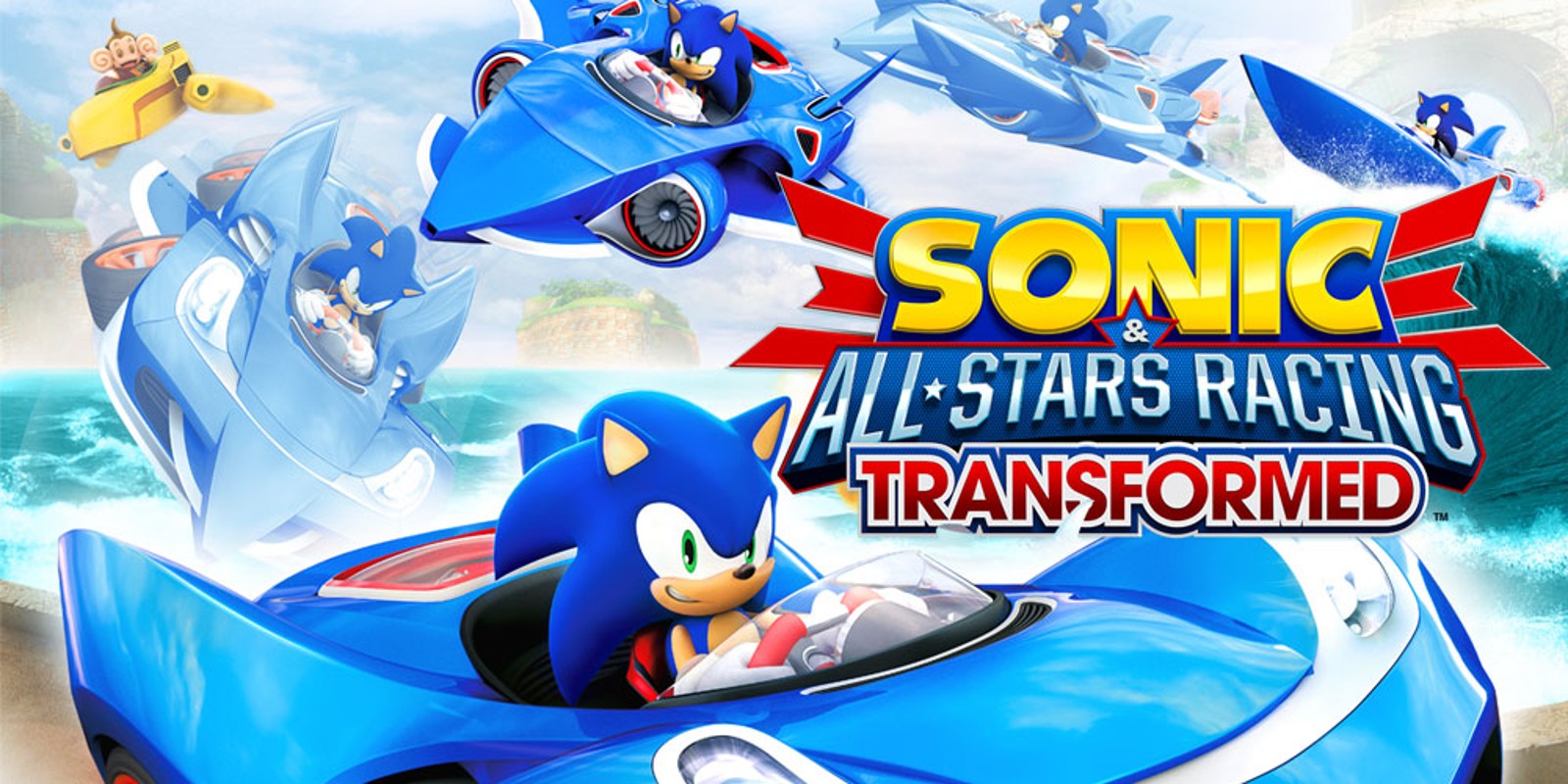
A part of me feels bad putting a 12 year old racing game over several newer games I played this year, but it kind of speaks to Sonic & All-Stars Racing Transformed‘s quality. I had very fond memories of playing the original so when I saw it going on Steam for, like, less than £2, I couldn’t help but snap it up. And I was delighted to see it was just as good as I remembered.
Mario Kart may be the king of the mascot racer, but Sonic & All-Stars Racing Transformed comes in a close second. It definitely trumps Mario Kart when it comes to single-player content, with its World Tour mode offering a variety of challenges beyond just winning races. Some of which can get real challenging, but never unfairly so thanks to the tight and responsive controls. There’s plenty of Sega fan service to be found in its roster and racetracks; the latter of which are a treat thanks to the transforming gimmick allowing for different routes and the layout changing each lap.
It’s a shame we’ve yet to see a real follow-up. Yes, there was Team Sonic Racing in 2019, which was handled by the same developer, Sumo Digital, and was perfectly fine, but it just lacked that special something that made All Stars Racing Transformed stand out. Hopefully, the next Sonic themed racer, Sonic Racing: CrossWorlds, will take a few more cues from Sumo Digital’s earlier work.
9. Pokémon Legends: Arceus (complete Pokédex)
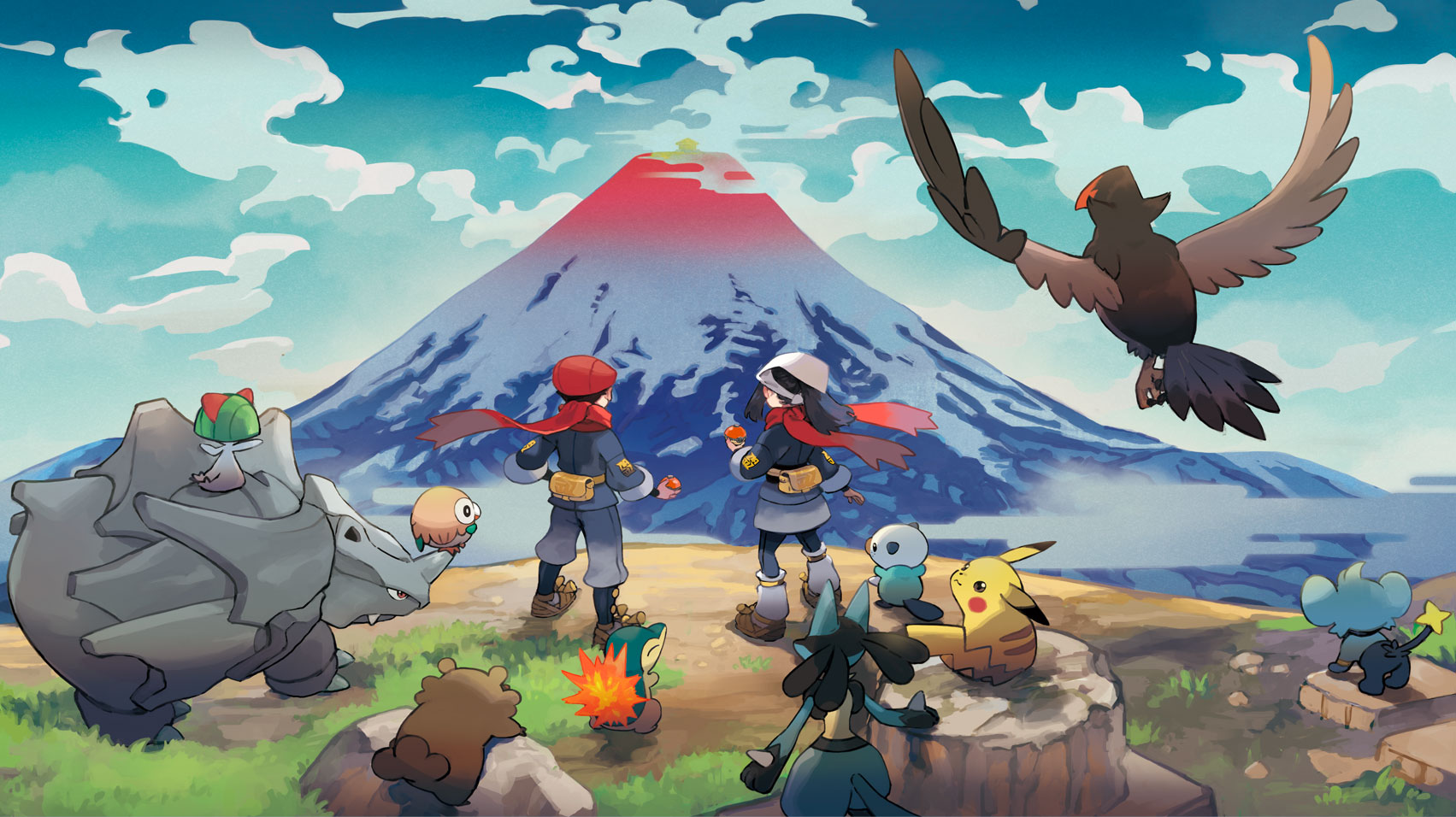
Pokémon Legends: Arceus just barely missed out my Top Five Video Games of 2022 list, which was a shame since it was one of my favourite releases of that year. While I had cleared its main story, I always intended to go back and complete the Pokédex, something I was encouraged to achieve in 2024 thanks to the announcement of Pokémon Legends Z-A. So, I want to give the game its deserved dues, especially since I wound up liking it more than the other major Pokémon release of 2022, Pokémon Scarlet & Violet.
As someone who wanted to see new Pokémon RPGs break away from the established formula, Pokémon Legends: Arceus was very much a step in the right direction. While it did quickly fall into its own formulaic pattern, it was a refreshing change of pace, both from a gameplay and story perspective. Being part of a research team that’s inventing the Pokédex made me feel more inclined to actually obtain every Pokémon out there and do enough of the bespoke challenges to fill each of their entries out. It could get a bit frustrating and dull at times, but that didn’t detract from how satisfied I felt when I finally completed it.
Pokédex aside, it was also exciting exploring the region of Hisui thanks to the wild Pokémon being portrayed as far more dangerous and aggressive. Not to mention the story, while still nothing super complex, was at least engaging and offered some neat plot beats and characters, culminating in one of the series’ best and most challenging boss fights. Plus, this game introduced some fantastic quality-of-life options that thankfully carried over to Scarlet & Violet and will hopefully remain mainstays. I’m very happy to see this not be a one-off experiment and potentially become its own subseries, though hopefully Legends Z-A will be a unique experience and not repeat Legends: Arceus‘ formula.
8. Citizen Sleeper

I decided to play Citizen Sleeper completely on a whim. I had heard good things about it, I enjoyed the similarly tabletop game inspired Disco Elysium, and I didn’t even have to pay for it since I had access to my housemate’s Steam library. The more I played, the more I began to regret not checking it out back when it originally launched.
The cyberpunk genre has never particularly interested me, but I was quickly sucked into Citizen Sleeper‘s futuristic but grimly believable world thanks to its moreish gameplay loop, amazingly atmospheric soundtrack, and strong writing. It took a while to get a grasp of things, but I soon became well acquainted and attached to the space station I called home and the friends I made. Citizen Sleeper also wears its political influences on its sleeves and, while unsubtle, there was something eye-opening about experiencing a life of scraping by every day; where those in power see you as little more than easily discarded property. It made the bonds I forged all the more meaningful.
Admittedly, it’s very easy to reach a point where earning money and feeding yourself becomes almost a non-issue. And despite having three different character classes to choose from, they can all feel identical once you get enough upgrades, making each playthrough not feel as distinct as they should’ve been. Fortunately, that second point looks to be rectified in the upcoming sequel, which I’m hoping to pick up as soon as it arrives. Citizen Sleeper‘s world is harsh and cruel in many ways, but it’s also beautiful in others, much like our own really, making for a game I’d love to re-experience all over again.
7. Sonic X Shadow Generations
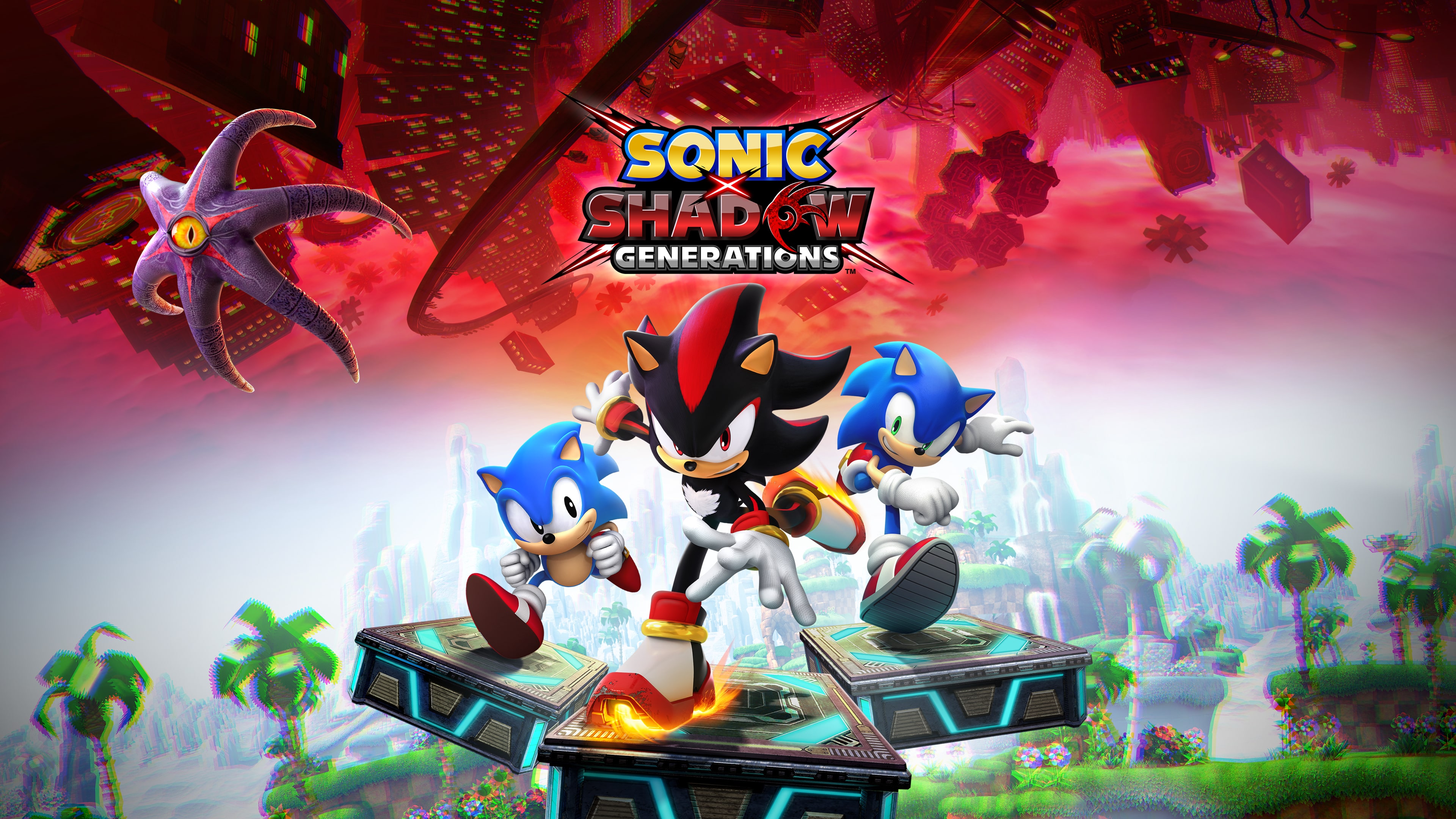
I’ve already written a lengthy review of Sonic X Shadow Generations for Metro, so be sure to read that if you want a more thorough breakdown of my thoughts on it. The short version is I loved it and that’s almost entirely down to the Shadow Generations portion, which is unironically one of the best Sonic games ever made.
The original Sonic Generations still holds up all these years later, with it boasting some great level design and reinterpretations of past stages from Sonic’s history. In some ways, though, returning to it feels like a step back from Sonic Frontiers (like the lack of a double jump and Sonic feeling almost uncontrollable while boosting), and despite a script rewrite, the story is still woefully basic. Also, that piss poor final boss means the end of the adventure has all the energy of a deflating balloon.
But Shadow Generations, holy shit, Sonic Team cooked with this one. The level design may be the best it’s ever been, with Shadow’s Chaos Control and new Doom Powers allowing for more varied routes to discover. Combined with a much tighter and satisfying control scheme refined from Sonic Frontiers, Shadow Generations is just fun to play. So much so, that it’s the only Sonic game where I’ve obtained an S rank in every level, optional mission, and boss fight. I could also gush about the writing and Shadow’s characterisation being a long overdue return to form, but that would take up at least a couple of more paragraphs. With any luck, Shadow Generations will become the new standard for future 3D Sonic games.
6. Prince of Persia: The Lost Crown
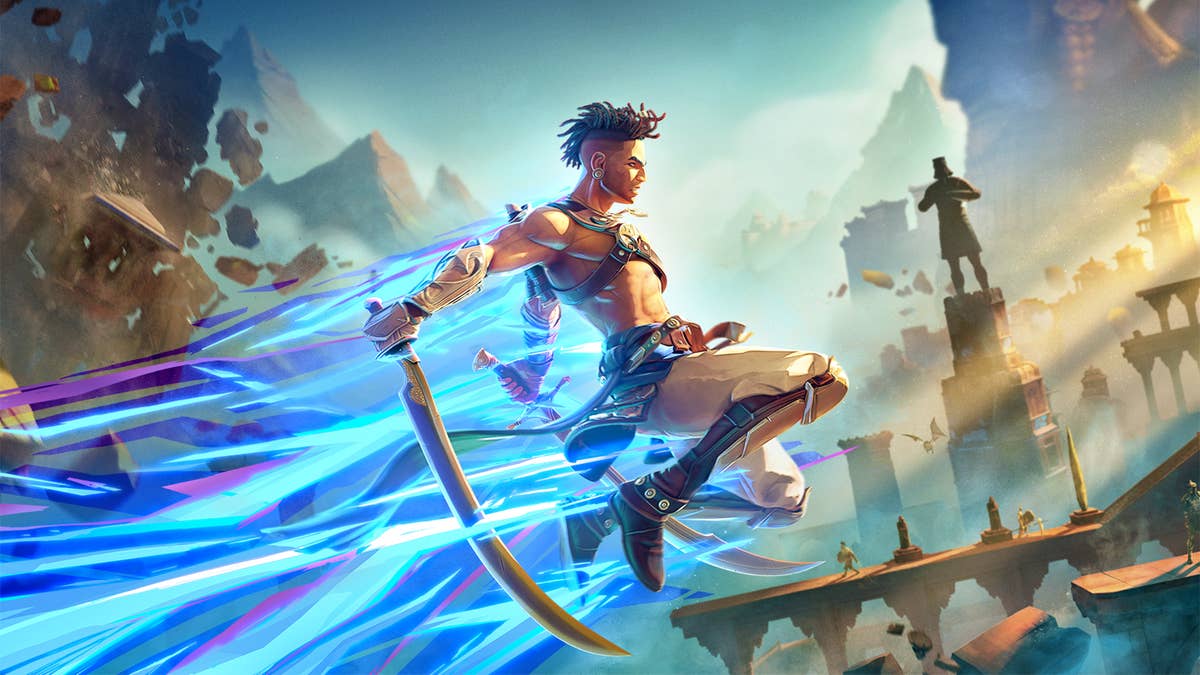
I was pleasantly surprised by how much I vibed with Prince of Persia: The Lost Crown when I tried its demo out. It promised simple enough combat that still offered a degree of complexity, tight platforming, and some flashy spectacle that ran entirely on rule of cool. So, I was even more pleased when I got the full game and found things only got better the more I played of it.
The Lost Crown is the quintessential Metroidvania experience, where you start off fairly weak and limited in what you can do, but traversing the map and battling enemies gradually becomes a cakewalk as you unlock new abilities, passive upgrades, and means of quick travel. It all comes together to form an incredibly satisfying gameplay loop, and while the story and characterisation isn’t anything special, I did fall in love with the setting of Mount Qaf and how its time anomaly affects its inhabitants and environments (that frozen sea area is such a cool visual).
On top of that, The Lost Crown offers a welcome array of accessibility options, which combined with a customisable difficulty means players of all skill levels can curate the experience to their needs. I was able to find a perfect sweet spot where challenges and boss fights could be very difficult but not to the point where it felt unfair, encouraging me to learn and adapt. I was so sad when I 100%ed the main game and its DLC because it meant there was nothing left to do. I’ll probably never forgive Ubisoft for disbanding the development team, killing any chance for more DLC or a sequel.
5. Astro Bot

I remember when Astro Bot got announced and while a bunch of my peers were hyped, I wasn’t all that invested despite enjoying Astro’s Playroom. I thought this new follow-up just looked okay. Then I heard people comparing it to Super Mario Galaxy and that got my curiosity peaked. That’s one of my all-time favourite video games and while you can criticise Astro Bot for being too similar to Nintendo’s work, it doesn’t change the fact that Team Asobi did a phenomenal job capturing what made Super Mario Galaxy such a joy to play.
Much like Prince of Persia: The Lost Crown, Astro Bot is a game I wish kept going with more platforming challenges. Astro is a delight to control with a simple moveset that makes his adventure a perfect starting point for younger players who’ve never touched a platformer. Rarely, if ever did levels feel like they were repeating themselves, with each one offering something fresh be it in terms of the visuals or unique gameplay gimmicks that all worked perfectly (I still can’t believe the shrinking power was only used once).
Astro himself is also a very charming character thanks to his little mannerisms and sound effects, making him something of a PlayStation alternative to Kirby. And while all the PlayStation fanservice is bittersweet considering the current state of Sony, it was impossible not to crack a smile or cheer at all the cameos. Oh, and the soundtrack is a bop from start to finish. While it wasn’t my pick for 2024’s Game of the Year, Astro Bot undeniably earned that win at The Game Awards and I sincerely hope this same team gets to make a sequel or at least more platformers like it.
4. Paper Mario: The Thousand-Year Door (2024 remake)
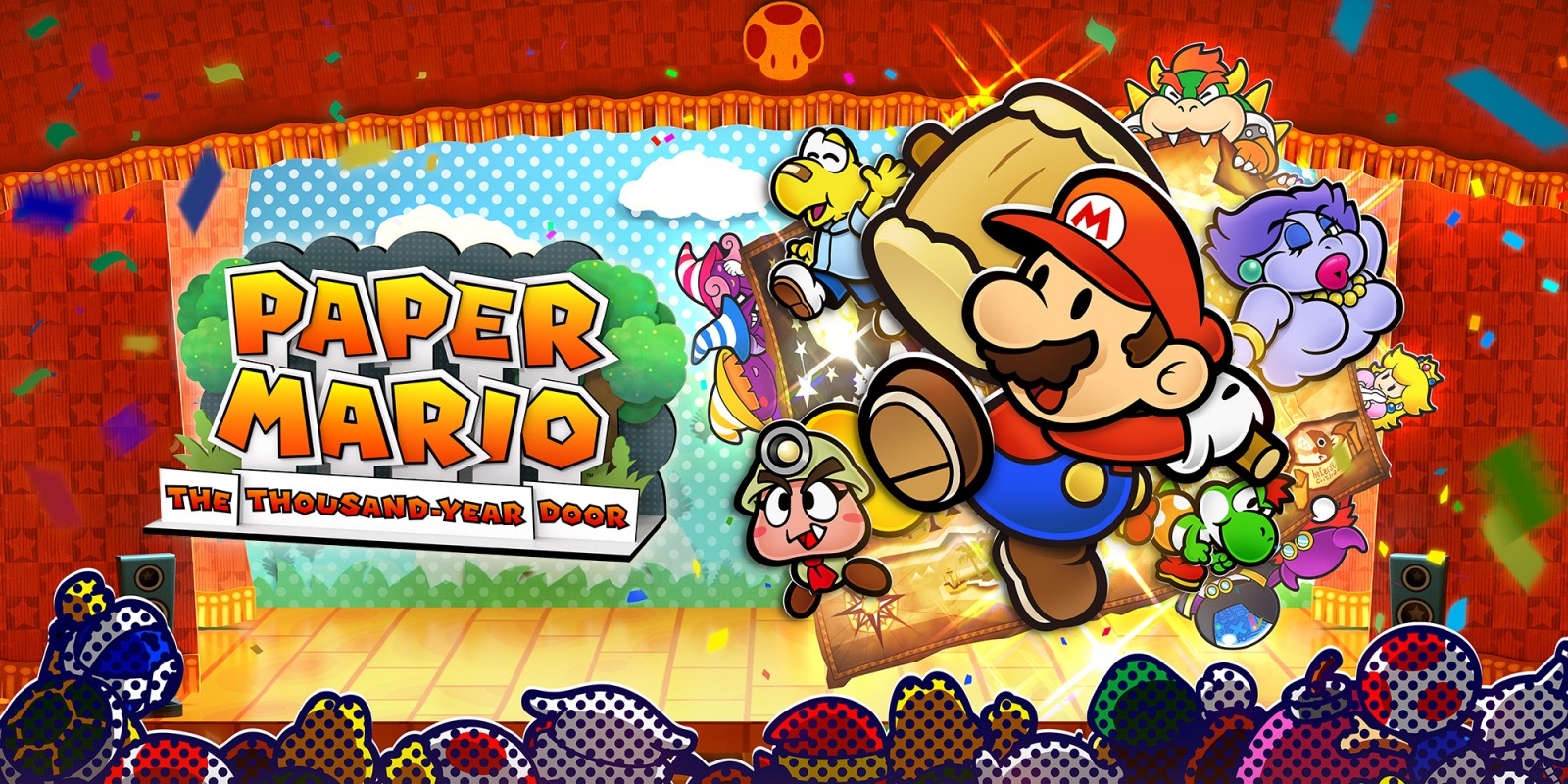
As someone who gave up on Paper Mario after it transitioned into more of an action-adventure series with light RPG elements, I was beyond thrilled to see its best entry get a modern day glow-up. And while some remakes tend to omit or change certain aspects that make them a tad less charming than the originals, this one is honestly an improvement in practically every way.
The various quality-of-life touches help streamline the experience and mitigate minor quibbles like backtracking. The soundtrack is impeccable, with most of the remixed music a delight and so many entirely new tracks that I’ve fallen in love with. The revised script is still witty and funny, with all the characters sounding exactly as they should. Vivian in particular is truly done justice, becoming the trans icon she was always meant to be.
The turn-based battle system is, of course, brilliant as ever. Between the wide array of badges and the way you level up, there are so many options to approach battles, meaning the game caters to casual players and the RPG die-hards looking for a challenge. Perhaps my only real complaint is that, with the right set-up, things can get too easy, though there are some incredible new superbosses to make up for it. Despite my love for the original The Thousand-Year Door, I was never compelled to 100% it. But I did precisely that for the remake; that’s how good it was. Here’s hoping this marks a return to form for Paper Mario going forward.
3. Like a Dragon: Infinite Wealth
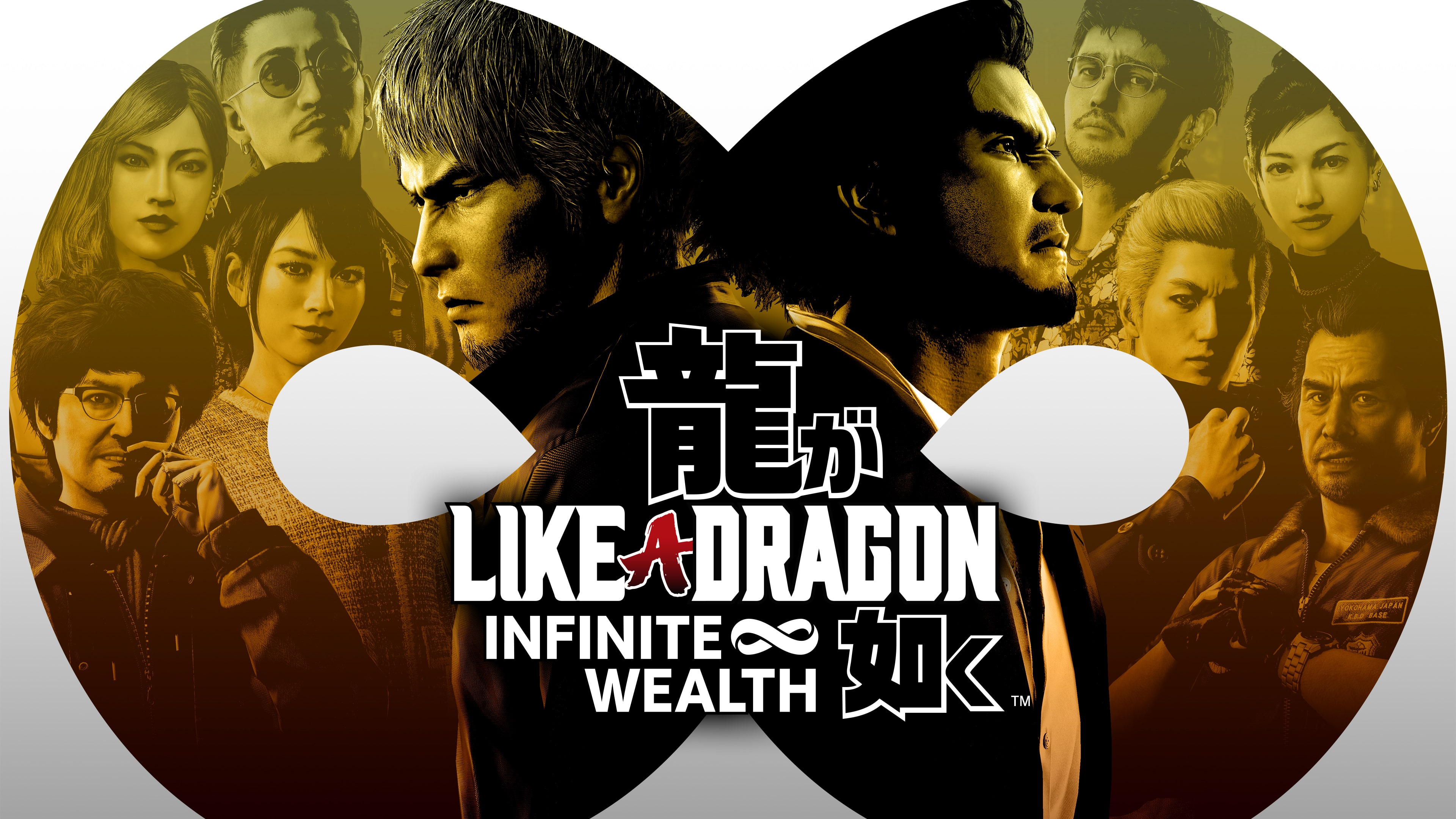
Man, 2024 was a killer year for RPGs, wasn’t it? Especially from Sega. Had I got round to Persona 3 Reload and Metaphor: ReFantazio, they’d probably have made it onto the list as well. Although I find it hard to believe either would have topped Like a Dragon: Infinite Wealth, which I keep meaning to go back to so I can tidy up the last remaining sidequests.
While I’d still happily play its predecessor again someday, Infinite Wealth‘s refined battle system and job classes easily make it the better of the two games. On top of that, it continues the series trend of including a variety of well-crafted minigames that I’m always happy to replay. The Sujimon and Dodonko Island ones are among the best in the whole series purely for how in-depth they are, with the latter feeling like it could’ve been sold as an entirely separate game.
As for the narrative, while I have some minor quibbles with it, it’s still among one of the stronger storylines in the series. Ichiban Kasuga is as lovable and charismatic as ever, with his endearing optimism earning him more lifelong friends, and Kazuma Kiryu’s arc is a heartfelt send-off that is actively enhanced by all the fan-service and call backs to his prior adventures. Despite my reservations about Kiryu returning for one last adventure, this is a far better send-off than Yakuza 6… assuming the series commits to it and lets him retire for good.
2. Final Fantasy VII Rebirth
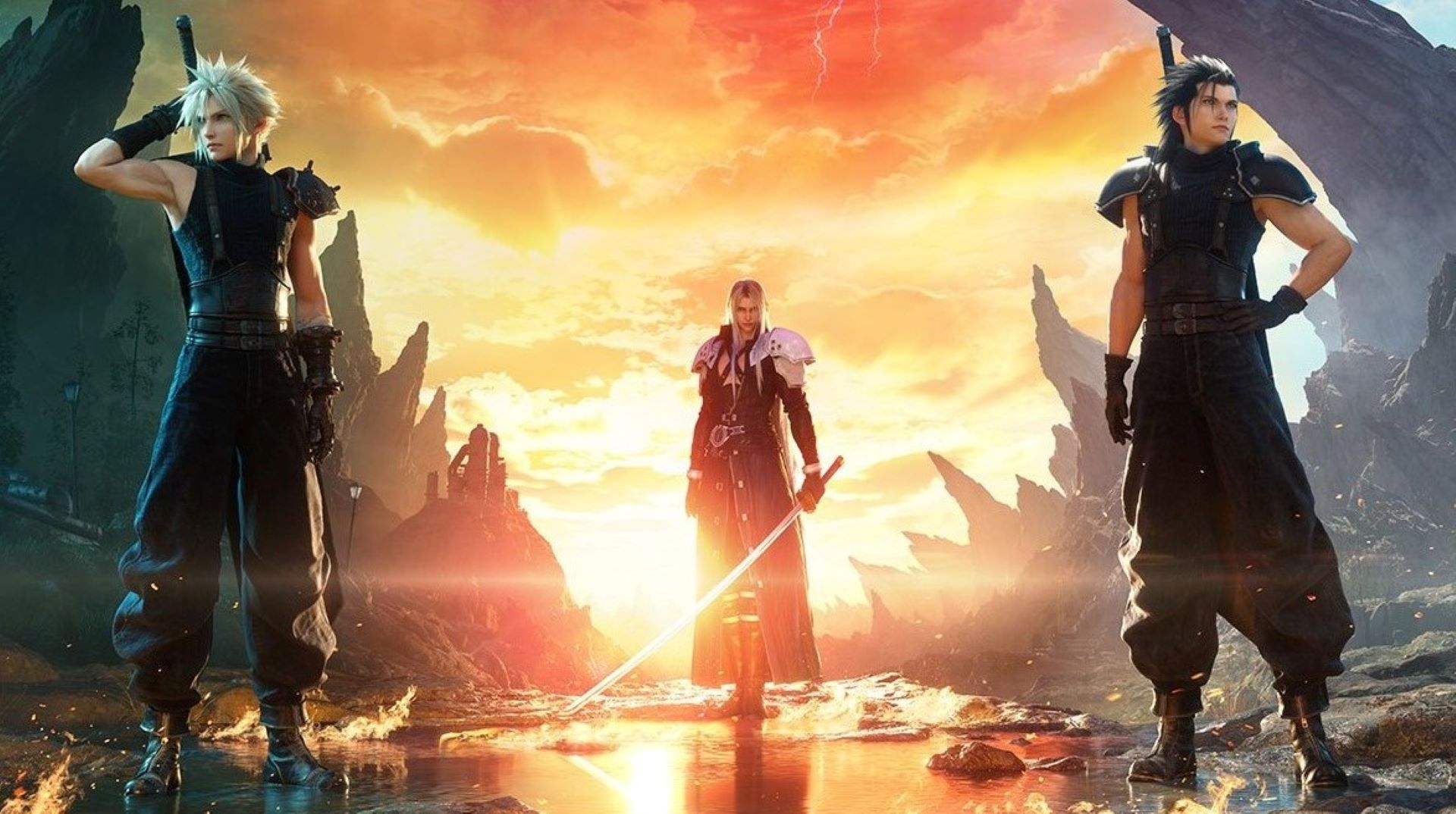
When I was planning out this list, I was unsure whether I would put Final Fantasy VII Rebirth over Like a Dragon: Infinite Wealth. In the end, I figured that while the latter is a far more consistent experience, the former’s highs were much higher. So much so, that they easily countered the game’s more contentious aspects, such as some of its minigames (I never want to play Gears and Gambits ever again).
Rebirth‘s combat is a notable improvement on Final Fantasy VII Remake‘s, so much so that I enjoyed playing as every character (with Cait Sith being the biggest surprise), while retaining the flexible customisation of its Materia system. But what I love about Rebirth is the sheer variety of things to do throughout the journey. They may not all hit, but it meant I never knew what to expect next. From fighting a giant snake in a swamp to riding a dolphin, from sneaking into a parade to taking part in a card game tournament aboard a luxury cruiser. Despite Rebirth retelling a story from 1997, it’s delightfully unpredictable from start to finish.
What really made the journey special, though, was the people I took it with. I love this entire cast with my heart and soul, with Cloud and friends being a delight to hang around with. No matter the scenario, I was enraptured with their bickering and bonding, with things only improving once Yuffie and Cait Sith joined the party. Even at the game’s less enjoyable points, I wanted to keep going just to spend time with these characters. I could ramble for hours about specific moments throughout the adventure, but all you need to know is that, of every game that released in 2024, this is easily my favourite and I have every faith the development team will deliver a satisfying climax in the next game. It also would’ve been at the top of this list if I hadn’t caught up on a certain release from 2023.
1. The Legend of Zelda: Tears of the Kingdom
The Legend of Zelda: Breath of the Wild was mind blowing when it came out in 2017. With its massive map and an impressive degree of freedom and experimentation afforded to players in how to progress and solve problems, it felt like the quintessential open world experience that so many other developers have been desperately trying to make. So, how mad is it that Nintendo pulled this off twice?
I thought some of the magic of stepping out into Hyrule and being left to my own devices would be lost in a sequel, but it wasn’t. Despite how familiar it felt, Tears of the Kingdom managed to be just as surprising and creative as its predecessor. Actually, scratch that. It was even more creative, with the new Ultrahand power turning Hyrule into the ultimate sandbox where it felt like the only limits were my own imagination. I know some Zelda fans don’t care for the open world formula, but surely even they have to admit that from a game design perspective, Tears of the Kingdom is phenomenal.
That’s not to say it’s flawless. I could complain about how it repeats too much of Breath of the Wild‘s structure, how the most interesting parts of the story happen in flashbacks again, and how most of the boss fights aren’t particularly exciting. But for every one of those flaws, there are so many other aspects that make them easy to look over. Even one of my biggest complaints – weapon degradation – is almost entirely mitigated by the Fuse mechanic letting me make new weapons on the fly. I don’t have many games that I can recommend to anyone as something they should play, but Tears of the Kingdom effortlessly made it onto that list and to the top of this one.
 Too Long for Twitter
Pingback: Top 10 Games I Beat in 2025 | Too Long for Twitter